
As a trusted provider of neuro-optometry in Orlando, our neuro-optometrists and developmental optometrists evaluate these changes to determine how your visual system has been affected. Once we understand what's causing your symptoms, we'll recommend the most appropriate treatment for your condition.
Neuro-Optometry in East Orlando
Vision Changes After a Neurological Injury Can Affect Everyday Life
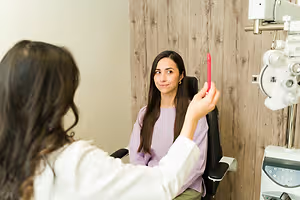
Neurological Vision Problems Are Often Different From Eye Diseases
Many neurological vision problems aren't caused by the eyes themselves. Instead, they're caused by changes in the way the brain processes visual information or controls eye movements. Your eyesight may still measure 20/20, but you may continue to experience symptoms because your visual system isn't working efficiently. Patients throughout Orlando seeking a neuro-optometrist or developmental optometrist for post-injury vision problems will find specialized care at our practice. These problems are common after:
Concussion
A common cause of neurological vision problems following a head impact.
Traumatic Brain Injury
TBI can disrupt the visual pathways and how the brain controls eye movements.
Stroke
Stroke can affect visual processing centers and cause lasting changes to vision.
Neurological Disorders
Conditions affecting the nervous system can interfere with how the brain and eyes work together.
Acquired Brain Injuries
Other acquired brain injuries may produce ongoing visual symptoms that affect daily function.
Vision Changes Can Look Different for Every Patient
Some patients notice vision changes immediately after an injury. Others don't recognize the symptoms until they return to work, school, driving, or other daily activities.
Every patient's experience is different, which is why a comprehensive evaluation is so important.
Neuro-Optometric Rehabilitation Helps Improve Functional Vision
Neuro-optometric rehabilitation focuses on improving the visual skills affected by neurological injury or disease. Treatment is based on how your visual system functions—not simply how clearly you see.
Our goal is to help improve visual comfort and function so everyday activities become easier to perform.
- Vision therapy
- Prism therapy
- Prescription lenses
- Home reinforcement activities
- Visual rehabilitation exercises
Prism Therapy Can Help Reduce Double Vision and Visual Discomfort
Prism lenses are sometimes recommended for patients whose eyes no longer work together comfortably after a neurological injury or because of a binocular vision disorder.
Unlike a standard eyeglass prescription, prism lenses help align the images seen by each eye. Every prism prescription begins with a comprehensive evaluation. Your eye doctor carefully determines the amount of prism needed based on your symptoms and examination findings.
Not every patient with double vision needs prism lenses, and not every patient who receives prism lenses will also need vision therapy. Your treatment plan is always based on the way your visual system functions.
This may reduce symptoms such as:
Vision Therapy and Prism Therapy Often Work Together
For some patients, prism lenses provide immediate relief by improving eye alignment and reducing visual discomfort. Vision therapy focuses on strengthening the visual skills your eyes and brain use together over time.
Depending on your diagnosis, you may benefit from one treatment or a combination of treatments. We'll explain the findings from your evaluation and discuss the options that are most appropriate for your condition.